
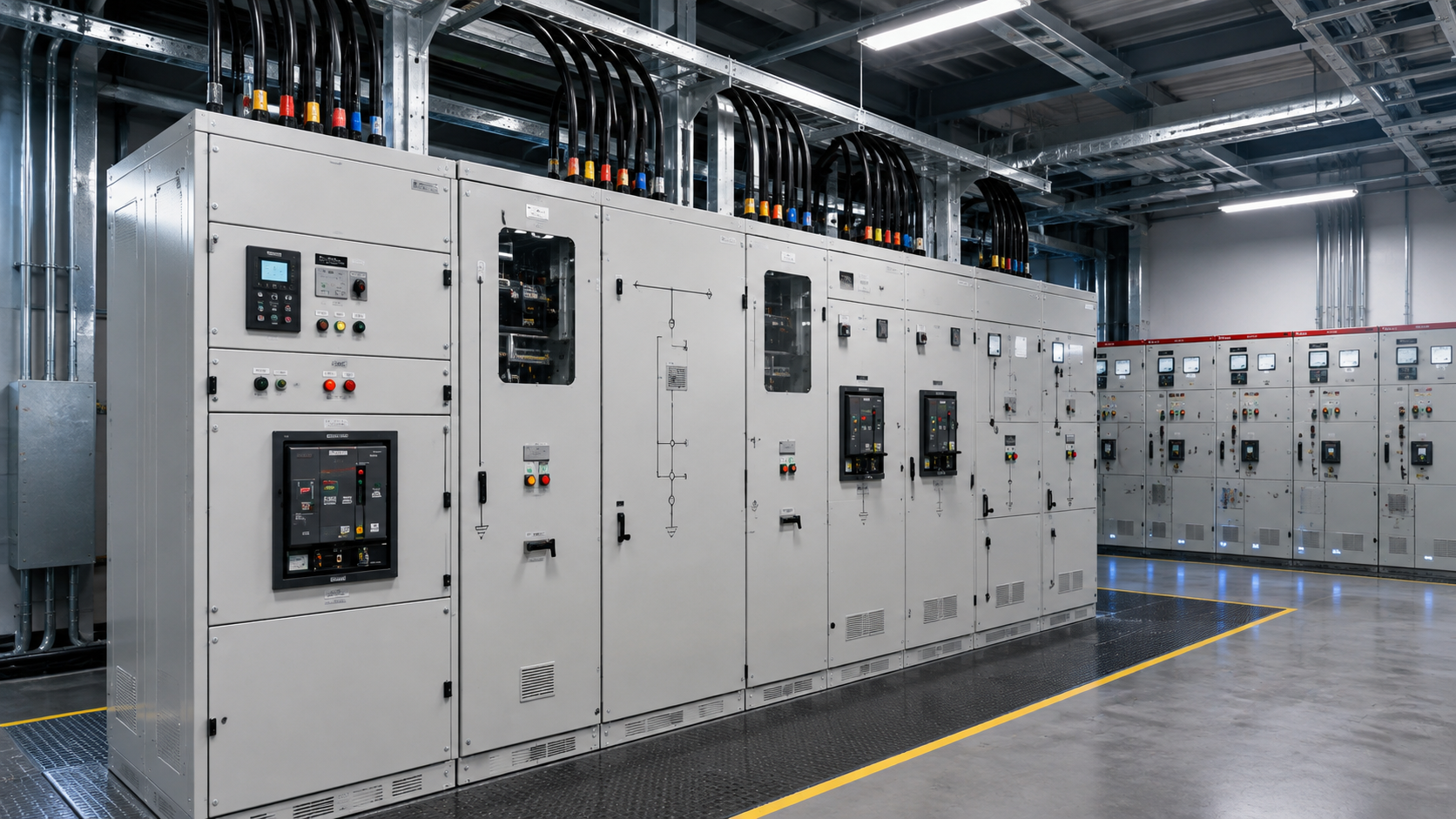
Switchgear plays a critical role in controlling and protecting electrical power systems. But understanding what switchgear is only answers part of the question. The more important question for engineers, facility managers, and electrical professionals is: how does switchgear work?
Switchgear works by combining switching, monitoring, protection, and isolation functions to control the flow of electrical power and respond to abnormal conditions. When an electrical fault occurs, the protection system detects the problem, sends a trip signal, and causes the appropriate switching device to interrupt the affected circuit.
In this guide, we explain the switchgear working principle, what happens during normal operation, how switchgear detects faults, how circuit breakers and protection relays respond, and how the system helps protect electrical equipment.
If you need a basic introduction to switchgear, including its definition, types, components, and applications, read our guide on what is switchgear.
Switchgear works by continuously managing and monitoring electrical circuits.
During normal operation, electrical power enters the switchgear assembly and is distributed to the required circuits. Monitoring and protection equipment measures electrical conditions and remains ready to respond if an abnormal condition occurs.
When a fault is detected, the protection system initiates a sequence that isolates the affected circuit.
The basic switchgear working process is:
Electrical power enters → Electrical conditions are monitored → Fault is detected → Protection system responds → Trip signal is generated → Circuit breaker opens → Fault current is interrupted → Faulty section is isolated
This process allows the electrical system to respond quickly to faults while keeping unaffected parts of the network operational whenever possible.
Under normal operating conditions, switchgear allows electrical power to flow through the system according to the electrical distribution design.
The switching equipment remains in its required operating position while monitoring and protection devices continuously provide information about the condition of the circuit.
During normal operation, switchgear can be used to:
The important point is that switchgear does not only operate when something goes wrong. Its switching and monitoring functions are part of the normal operation of an electrical power system.
One of the most important parts of switchgear operation is fault detection.
Electrical systems can experience abnormal conditions such as short circuits, overcurrent, or earth faults. To identify these conditions, switchgear protection systems use measurement devices and protection relays.
Current transformers and voltage transformers provide electrical measurements to the protection system.
The protection relay evaluates these measurements according to its configured protection settings.
If the measured electrical condition indicates a fault, the relay can initiate a trip command.
This allows the protection system to respond without requiring an operator to manually identify the fault and disconnect the circuit.
A protection relay is an important part of the switchgear protection system.
Its role is to monitor electrical conditions and determine whether they remain within the configured operating limits.
The basic process is:
The relay therefore acts as the decision-making part of the protection sequence, while the circuit breaker performs the physical switching operation.
Current transformers (CTs) and voltage transformers (VTs) support the monitoring and protection functions of switchgear.
A current transformer measures electrical current and provides a suitable signal to protection relays, meters, and monitoring equipment.
This allows the protection system to identify abnormal current conditions without directly exposing the measurement equipment to the full system current.
Voltage transformers provide voltage measurements to protection and monitoring equipment.
These measurements can be used to identify abnormal voltage conditions and support the operation of protection and control systems.
Together, CTs and VTs provide the electrical information needed by the protection system to evaluate the condition of the network.
The circuit breaker is responsible for interrupting the electrical circuit when it receives an appropriate trip command.
During normal operation, the breaker remains closed so that electrical current can flow through the circuit.
When the protection relay identifies a fault, it sends a trip signal to the breaker.
The breaker then opens its contacts and interrupts the electrical connection.
The basic sequence is:
Fault detected → Trip command → Breaker mechanism operates → Contacts open → Current is interrupted
The circuit breaker therefore provides the physical interruption required to disconnect the affected part of the electrical system.
A short circuit can create a very high current that may damage electrical equipment if it is not interrupted quickly.
When the protection system detects the abnormal current, the protection relay initiates the appropriate protection response.
The circuit breaker receives the trip signal and opens the circuit.
The resulting sequence can be summarized as:
Short circuit → High fault current → Fault detected → Protection relay operates → Circuit breaker trips → Fault current interrupted → Circuit isolated
This rapid interruption helps limit the potential damage caused by the fault and protects other parts of the electrical system.
Fault isolation is a key part of switchgear operation.
The objective is to disconnect the affected section of the electrical system while allowing other sections to continue operating where the system design permits.
For example, if a fault occurs on a particular outgoing circuit, the protection system can initiate the opening of the switching device associated with that circuit.
This prevents the fault from continuing to draw current from the wider electrical network.
Effective fault isolation helps improve system reliability because a problem in one section does not necessarily require the entire electrical system to be shut down.
Switchgear protection helps reduce the impact of electrical faults on connected equipment.
Depending on the system design, protected equipment can include:
The protection system identifies abnormal electrical conditions and interrupts the affected circuit.
By disconnecting the faulty section, switchgear helps limit the duration and impact of the electrical fault.
Switchgear can operate through manual controls, automatic protection systems, or remote control depending on the equipment and electrical system design.
An operator can operate switching equipment when a circuit needs to be connected or disconnected for operational or maintenance purposes.
Manual operation should only be performed according to the appropriate safety procedures and equipment requirements.
Automatic operation occurs when the protection system detects a fault and sends a trip command to the circuit breaker.
This allows the electrical system to respond to certain abnormal conditions without waiting for manual intervention.
Modern electrical systems can also support remote monitoring and control.
This allows authorized operators to monitor equipment status and, where the system is designed for it, control switching equipment from a remote location.
Modern switchgear can incorporate digital protection and monitoring technologies that provide more information about electrical system conditions.
Depending on the system, these technologies can support:
This makes it possible to obtain more detailed information about the electrical system and respond more effectively to operating events.
Switchgear is also used to isolate electrical equipment when maintenance or inspection is required.
The isolation process depends on the specific switchgear design and applicable safety procedures.
A properly isolated circuit can be separated from the energized electrical network before authorized personnel perform maintenance.
Switching and isolation equipment can therefore support both electrical system protection during faults and safe working conditions during planned maintenance.
Electrical equipment installed in hazardous industrial environments may require specialized protection because flammable gases, vapors, or combustible dust can be present.
In these environments, electrical switching and protection equipment must be selected according to the hazardous-area classification and the required protection characteristics.
For example, Al Rouf's electrical switchgear range includes specialized equipment designed for hazardous-area applications. The ILS/JB/350 is an explosion-proof and weatherproof multiple switch-socket assembly designed for hazardous-area power distribution and interlocked switch-socket service.
The product specification includes an Ex-d IIC enclosure, IP66 protection, T6 temperature classification, and Zone 1 & 2 / Zone 21 & 22 applications. It also incorporates a 63A / 4-pole MCCB incoming device along with outgoing MCBs and interlocked plugs.
You can explore Al Rouf electrical switchgear solutions for more information about the available product.
The important consideration in hazardous environments is that electrical equipment must be selected according to both its electrical requirements and the conditions of the installation.
Switchgear is necessary because electrical systems need a controlled way to manage power and respond to abnormal conditions.
Without appropriate switching and protection equipment, a fault could continue affecting connected equipment and electrical circuits.
Switchgear provides a coordinated approach to:
The protection process is particularly important in large industrial and infrastructure installations where electrical faults can affect critical operations.
Switchgear contributes to reliability by limiting the effect of electrical faults.
Instead of allowing a fault to continue through the network, the protection system can identify the affected circuit and initiate the required switching operation.
Selective protection can also help ensure that only the necessary part of the electrical network is disconnected, depending on the system's protection design.
This helps reduce unnecessary interruptions and supports continued operation of unaffected circuits.
Consider an industrial facility receiving electrical power through a distribution system.
Under normal conditions, electrical power enters the switchgear and is distributed to different circuits.
Now imagine that a short circuit occurs on one outgoing circuit.
The operating sequence would be:
1. A short circuit occurs.
The fault causes an abnormal increase in electrical current.
2. The protection system detects the abnormal condition.
The CT provides current information to the protection system.
3. The protection relay evaluates the condition.
The relay determines that the measured condition meets the configured fault criteria.
4. A trip command is generated.
The protection relay sends a trip signal to the appropriate circuit breaker.
5. The circuit breaker opens.
The breaker interrupts the electrical connection.
6. The faulty circuit is isolated.
The affected section is disconnected from the electrical supply.
7. Other circuits can continue operating.
Depending on the electrical system design and protection coordination, unaffected circuits may remain energized.
This example demonstrates the basic switchgear working principle from fault detection through fault isolation.
The performance of a switchgear system depends on more than the switching device itself.
Important considerations include:
Protection relays must be configured appropriately for the electrical system so that faults can be detected and the correct circuit can be disconnected.
The circuit breaker must be capable of performing the required switching and interruption functions for its application.
Protection devices should be coordinated so that the appropriate protective device operates for a given fault whenever possible.
The overall distribution architecture influences how switchgear responds to faults and how much of the network remains operational.
Environmental conditions can also affect electrical equipment. Industrial installations may expose equipment to heat, dust, humidity, or other environmental factors.
For hazardous-area installations, additional requirements apply based on the classification and conditions of the installation.
Switchgear works by controlling electrical circuits and monitoring their operating conditions. When the protection system detects a fault, it sends a trip command to the appropriate circuit breaker, which opens the circuit and interrupts the fault current.
Electrical switchgear uses measurement equipment such as current transformers and voltage transformers to provide electrical information to protection relays. The relay evaluates the measurements and can initiate a trip when a fault condition is identified.
A circuit breaker normally allows current to flow through a circuit. When it receives a trip command from the protection system, its contacts open to interrupt the electrical circuit and isolate the affected section.
A protection relay monitors electrical conditions and compares them with configured protection settings. When an abnormal condition meets the required criteria, the relay generates a trip command for the circuit breaker.
When a short circuit is detected, the protection system identifies the abnormal current and sends a trip command to the appropriate circuit breaker. The breaker opens and interrupts the fault current.
Switchgear isolates a fault by opening the switching device associated with the affected circuit. This disconnects the faulty section from the electrical supply and helps prevent the fault from continuing through the network.
A current transformer measures electrical current and provides a suitable signal to protection relays, meters, and monitoring equipment.
A voltage transformer provides voltage measurements to protection and monitoring systems, allowing electrical conditions to be evaluated safely.
Yes. Depending on the system design, switchgear can operate automatically when a protection relay detects a fault and sends a trip command to a circuit breaker.
Modern switchgear can incorporate digital protection and monitoring equipment that provides electrical measurements, alarms, equipment status, event information, and integration with control systems such as SCADA.
Understanding how switchgear works means looking beyond the equipment itself and understanding the sequence that takes place during normal operation and electrical faults.
Under normal conditions, switchgear controls and distributes electrical power while monitoring system conditions. When an abnormal condition occurs, measurement equipment provides information to the protection system, the protection relay evaluates the condition, and the appropriate circuit breaker can operate to interrupt and isolate the fault.
This coordinated process helps protect electrical equipment, support safe isolation, and improve the reliability of electrical power systems.
For a broader explanation of switchgear, including its types, components, voltage classes, and applications, read our guide to what is switchgear.
For projects requiring specialized electrical switching and protection equipment, you can also explore Al Rouf's Electrical Switchgear.
